

Charleston Home Buyers: How to Use the Due Diligence Period to Actually Protect Your Investment in 2026
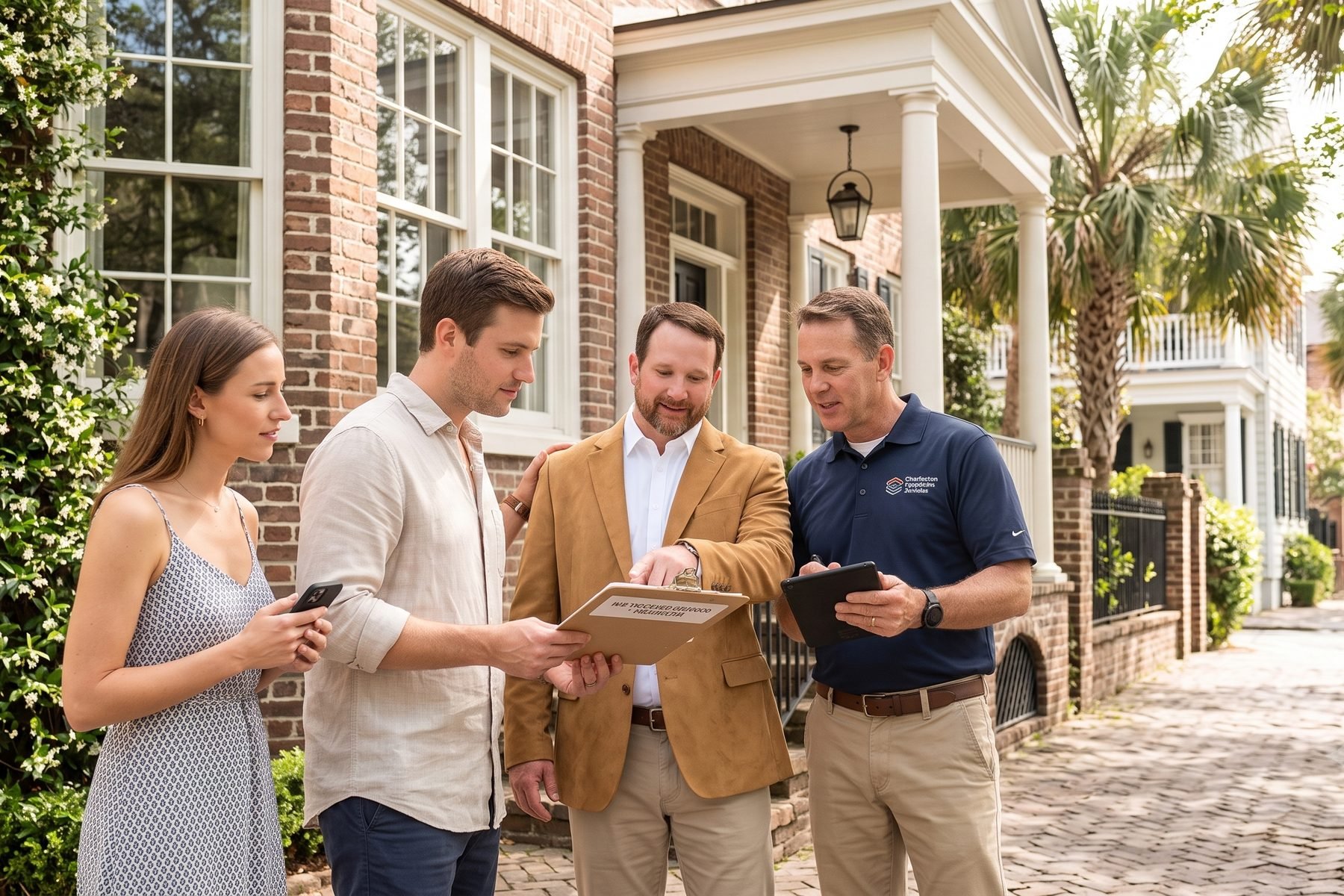
Every week I sit across from a buyer holding a South Carolina purchase agreement, staring at the due diligence section, asking some version of the same question: "Wait, this fee is non-refundable even if I walk away?" It's the single most misunderstood part of buying a home here, and this summer it matters more than usual. Charleston's market has quietly rebalanced. Mortgage rates just touched an 11-month high, inventory has crept up across Mount Pleasant, Daniel Island, James Island, and the barrier islands, and buyers who understand how to use their due diligence period are negotiating real protection into their contracts instead of racing the clock and hoping for the best.
This isn't a fee to rush past on your way to closing. Handled correctly, the due diligence period is the single biggest leverage point a buyer has in a South Carolina contract — bigger than the offer price, in some cases. Handled carelessly, it's how buyers overpay for homes with problems they never uncovered, or lose a check to the seller over a technicality. Here's how to use it the way experienced Charleston buyers are using it right now.
The Market Insight: Why Buyers Have Room to Negotiate Due Diligence Again
Freddie Mac's Primary Mortgage Market Survey put the 30-year fixed rate at 6.69% for the week of August 6, 2026 — up from 6.66% the week before and the highest reading in roughly eleven months. That uptick is doing exactly what higher rates always do: it's cooling the frantic edge that had buyers skipping inspections and slashing due diligence periods to nothing just to win a contract.
Locally, Charleston is sitting at 3.56 months of supply with homes averaging 53 days on market and roughly 1,241 active listings across the metro. July closed with 354 sales — up nearly 40% year-over-year — and a median sale price of $625,000, up 2.8% from a year ago. Read that combination correctly and it tells you this is a genuinely balanced market: neither side is desperate, which means sellers are far more willing to grant a real 10-to-21-day due diligence window than they were in 2021 or 2022. Buyers who ask for it are getting it. Buyers who don't ask are leaving protection on the table for no reason.
The Educational Value: What the Due Diligence Period Actually Is
Due Diligence Fee vs. Earnest Money — They Are Not the Same Check
South Carolina contracts almost always include two separate payments, and confusing them costs buyers money every year. Earnest money goes into escrow and is credited back to you at closing as part of your down payment — it's refundable under the contract's contingencies (financing, appraisal, and so on). The due diligence fee is different: it's a check written directly to the seller, it's non-refundable the moment it's delivered, and it exists to compensate the seller for taking the home off the market while you inspect it. If you walk away during due diligence for any reason, you typically keep your earnest money but the seller keeps the due diligence fee. Know which check does what before you sign.
What Charleston Inspections Actually Cost
Budget $350–$600 for a standard general home inspection in the Charleston area, and plan on separate line items for anything the general inspector flags — termite/WDO reports, HVAC evaluations, roof certifications, or a sewer scope on an older downtown property. On the barrier islands and in flood-zone neighborhoods, add an elevation certificate review and a wind mitigation inspection; both directly affect your homeowner's and flood insurance premiums, and both need to happen inside your due diligence window, not after.
Due Diligence Fees Vary by Micro-Market — Know Before You Offer
This is where Charleston buyers get tripped up. A $500 due diligence fee is standard in a softer submarket like North Charleston or Summerville, and new construction builders often waive it entirely. In a competitive pocket of Mount Pleasant, sellers expect $1,000 or more because they know a backup buyer is waiting. In the Old Village or on a highly sought Sullivan's Island lot, a fee of $5,000 or higher signals to the seller that you're serious and unlikely to walk over a minor repair item. Structuring your fee to match the actual competitiveness of that specific street — not the metro-wide market — is a skill, and it's one I walk every buyer through before we write an offer.
Buyer Strategy: What to Do Right Now
With rates elevated and inventory building, you're negotiating from a stronger position than buyers had eighteen months ago. Use it deliberately:
Ask for the full window. A 10-to-14-day due diligence period is reasonable almost everywhere in the current market, and 21 days is achievable on properties that have sat for a few weeks. Don't accept a 5-day window by default — that used to be a seller's-market concession, and it usually isn't necessary anymore.
Order the flood and elevation review early if you're on Isle of Palms, Sullivan's Island, or anywhere near tidal water. Elevation certificates take time to pull and can materially change your insurance quote — you want that number in hand before your window closes, not after.
Use repair findings as leverage on price or terms, not just a punch list. If the inspection surfaces a roof at the end of its life or an aging HVAC system, you can request a credit at closing, a price adjustment, or seller-funded repairs completed pre-closing. In today's more balanced market, sellers are saying yes to reasonable requests far more often than they were two years ago.
Match your due diligence fee to the actual competition for that home, not a rule of thumb — overpaying on the fee weakens your negotiating position later, and underpaying it in a hot micro-market can cost you the house.
If you want the fuller playbook on where buyers currently have leverage across price, terms, and timeline, I broke that down in detail here: Charleston home buyers finally have leverage — here's how to actually use it.
Local Market Context: Coastal Diligence Is a Different Animal
Due diligence on Isle of Palms or Sullivan's Island isn't just a home inspection — it's a flood zone determination, an elevation certificate review, an OCRM setback verification if there's any renovation or rebuild planned, and often a wind mitigation report that can swing your insurance premium by thousands of dollars a year. I covered how these same coastal factors extend construction and permitting timelines on the barrier islands in a separate piece worth reading if you're buying with renovation or rebuild plans in mind.
Downtown, due diligence on a historic property typically means a termite bond review, a structural evaluation on original framing, and — depending on the age of the home — a check for knob-and-tube wiring or cast iron plumbing that a standard inspection might not fully scope. On Daniel Island and in Mount Pleasant's newer neighborhoods, due diligence is more conventional but still essential: even a two-year-old home can have builder punch-list items worth negotiating.
New construction is its own category. Builders frequently waive or minimize the due diligence fee, but that doesn't mean you skip the inspection — insist on a pre-drywall walkthrough and a final punch-list inspection regardless of what the builder's contract implies. I detailed why construction costs and builder terms have shifted across the Charleston market this year in this look at 2026 new construction costs. And if you're buying with rental income in mind, your due diligence should also confirm short-term rental licensing status and zoning — a step I walk through in the Isle of Palms and Sullivan's Island short-term rental guide.
Frequently Asked Questions
How long is the due diligence period in South Carolina?
It's negotiated between buyer and seller, but most Charleston-area contracts land between 10 and 21 days. In today's more balanced market, buyers have room to ask for the longer end of that range, especially on homes that have been listed for several weeks.
Is the due diligence fee refundable in South Carolina?
No. Once delivered to the seller, the due diligence fee is non-refundable, even if you terminate the contract during the inspection period. This is different from earnest money, which is typically refunded or credited back to you at closing if you follow the contract's termination procedures correctly.
What's the difference between a due diligence fee and earnest money?
Earnest money sits in escrow and comes back to you at closing as part of your down payment; it's protected by contract contingencies like financing and appraisal. The due diligence fee is a direct, non-refundable payment to the seller compensating them for taking the property off the market during your inspection window.
Who pays for the home inspection in Charleston?
The buyer. Standard general inspections run roughly $350 to $600 in the Charleston area, with additional costs for specialty inspections like termite/WDO reports, sewer scopes, or elevation certificate reviews on coastal properties.
Can I still negotiate repairs during due diligence in today's market?
Yes, and more successfully than in recent years. With inventory building and rates elevated, sellers are more willing to offer repair credits, price adjustments, or completed repairs than they were during the tighter markets of 2021 and 2022 — but the request still needs to be reasonable and well-documented to get a yes.
Do new construction homes in Charleston have a due diligence period?
Often a shorter or waived due diligence fee, but you should still insist on inspection rights — a pre-drywall walkthrough and a final punch-list inspection before closing — regardless of what the builder's standard contract implies.
Ready to Buy, Build, or Invest in Charleston?
Looking to buy, build, or invest in Charleston real estate? I'm Chris Eller, Broker Associate with The Cassina Group and a luxury real estate developer specializing in new construction and coastal properties across Charleston and the barrier islands. Call/Text: 843-343-3359 | Email: Chris@TheCassinaGroup.com | Website: ChrisEllerRealEstate.com. If you're considering buying, selling, or building in Charleston or anywhere in the Lowcountry, reach out anytime for expert guidance.
